Apollonia is a Greek-founded city from 588 BC that once rivalled Athens as a centre of learning – Octavian studied here – and today its ruins sprawl across a silent, windswept hilltop 12 kilometres west of Fier. The site is large, partially excavated, and wrapped in olive groves and wheat fields that make it feel more like a Tuscany landscape than an archaeological park. The standout structure is the bouleuterion, a 2nd-century AD council chamber with a restored stone facade of six Corinthian columns, but the real magic is wandering the overgrown outer edges of the site where broken columns and inscribed stones lie half-buried in wild grass.
Apollonia has no visitor centre crowds, no ticket queues, and no guided tour groups jostling for photos. It is one of the most significant archaeological sites in the Balkans, and on a Tuesday in May you might share the entire complex with three other people.
| Feature | Details |
|---|---|
| Best For | Greek and Roman archaeology, overgrown ruin wandering, uncrowded cultural day trips |
| Accessibility | Paved road from Fier (20 min); free parking; flat walking paths throughout the site |
| Ideal Months | March to June and September to November; the site is exposed and hot in July to August |
| Cost Tier | Budget (500 LEK entry) |
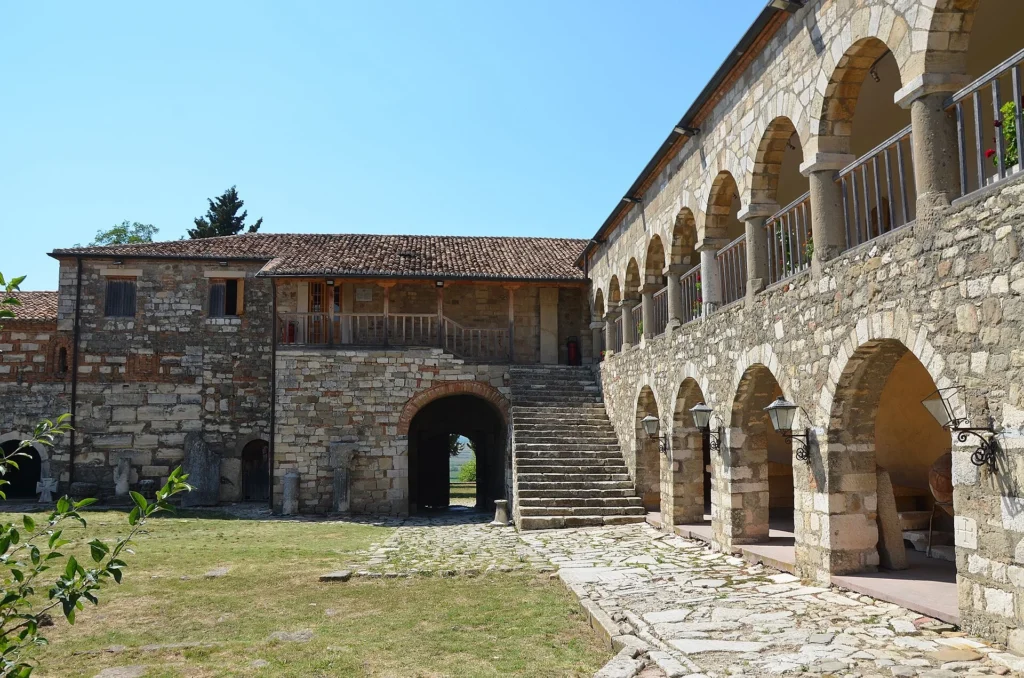
| The Secret Factor | The Church of Saint Mary, a 14th-century Byzantine church built inside the archaeological site, contains a small museum with original Apollonia statuary and inscriptions. The apse mosaic is remarkably intact, and the cool stone interior is a welcome relief on a hot day |
How to Get There
From Fier, drive west on the SH4 toward the coast. After roughly 8 kilometres, follow the brown signs for Apollonia to the right. The road is paved all the way to the site entrance. Free parking. Entry costs 500 LEK. The site has no public transport access. A taxi from Fier costs roughly 1,200 to 1,500 LEK round-trip with waiting. From Tirana, Apollonia is a 90-minute drive via the SH4.
What to See and Do
- The Bouleuterion: The restored council chamber facade is the iconic Apollonia photo. The columns frame the distant Adriatic on clear days.
- Walk the outer ruins: Beyond the main excavation, the city walls, a Roman theatre, and scattered inscribed stones extend into the olive groves. The outer edges are unmanicured and deeply atmospheric.
- Visit the monastery museum: The Church of Saint Mary inside the site houses a small but excellent museum. The mosaic floor in the apse is the highlight.
- Picnic in the olive grove: The car park area has shaded picnic tables under ancient olive trees. Bring your own food.
The Insider Checklist
- The site has zero shade on the excavation areas. Bring a hat and water. Visit early in summer.
- The museum closes for lunch, typically 12:00 to 13:00. Time your visit around it.
- The outer ruins have uneven ground and snakes in warm weather. Wear closed shoes and watch your step.
- No cafe or shop on site. Bring everything you need from Fier.
- Combine with a visit to the Ardenica Monastery, 10 kilometres south. A 13th-century Orthodox monastery with well-preserved frescoes.