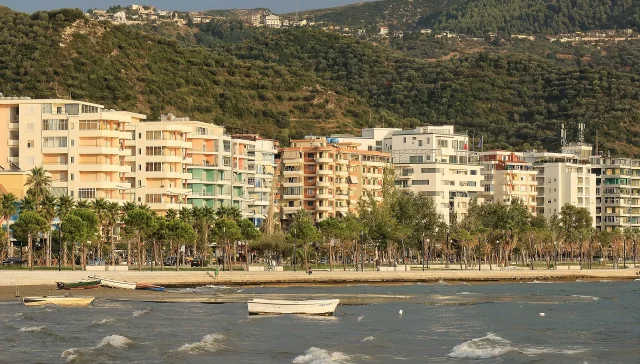
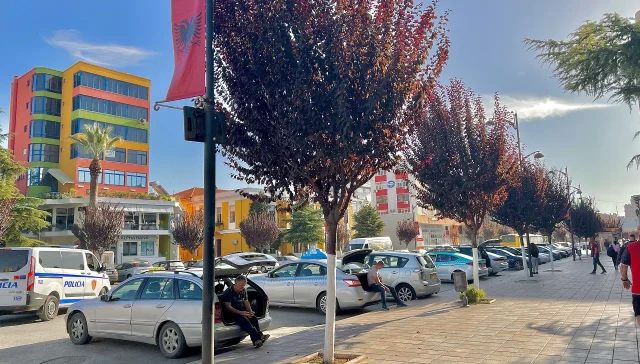
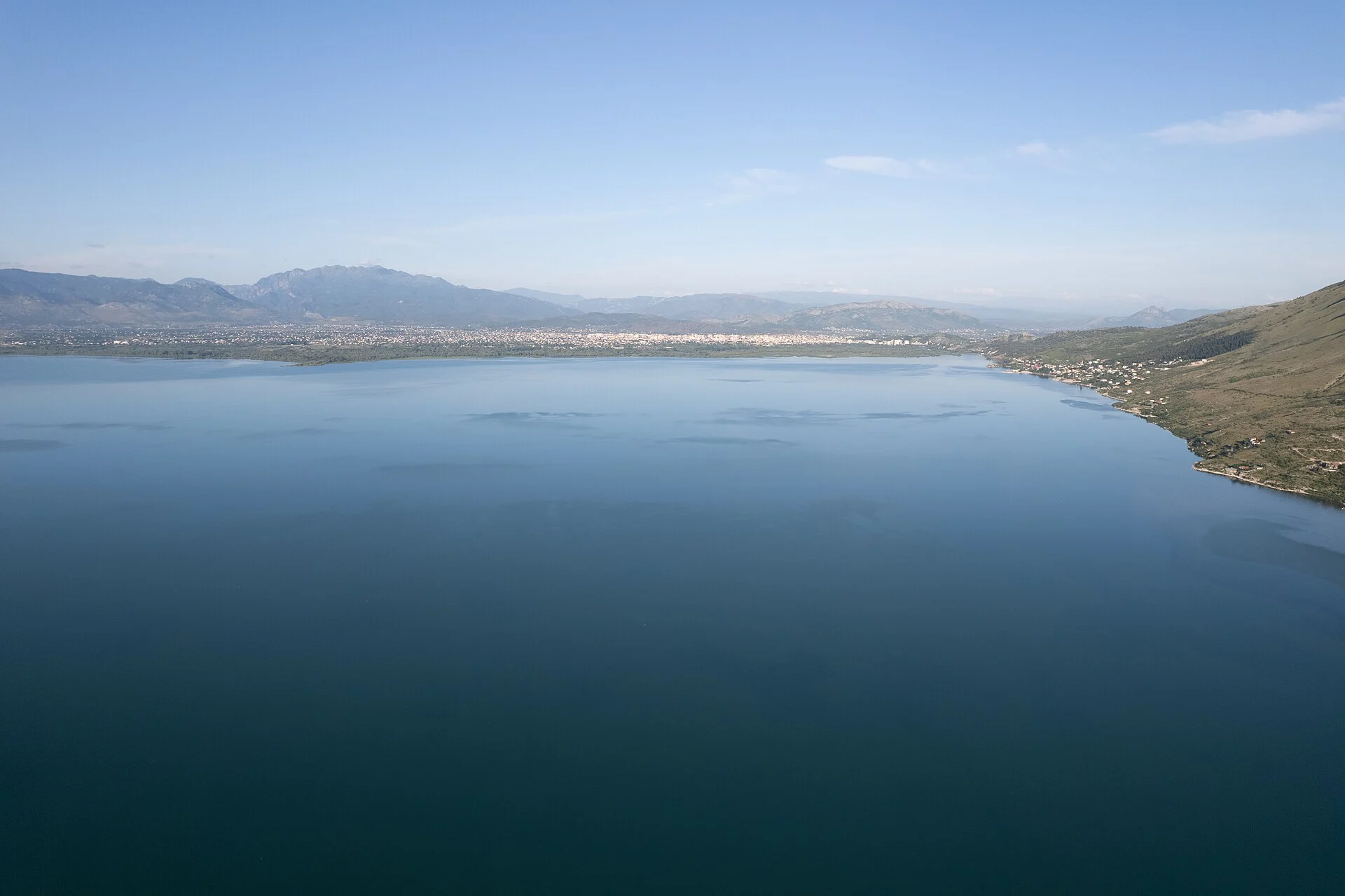
Two weeks in Albania gives you enough time to experience the country’s full diversity: the cultural energy of Tirana, the UNESCO cities of the south, the pristine beaches of the Albanian Riviera, the dramatic Albanian Alps in the north, and the serene shores of Lake Ohrid. This comprehensive itinerary is designed for travelers who want to see it all without feeling rushed.
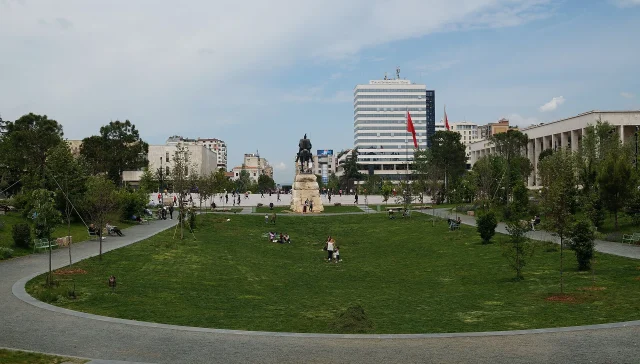
Begin with two days in Tirana. Skanderbeg Square is the natural starting point, surrounded by the National History Museum, the 18th-century Et’hem Bey Mosque, and the Italian-built Clock Tower. The BunkArt museums provide a powerful introduction to Albania’s communist past, while the Blloku district shows how far the country has come. Take the Dajti Ekspres cable car to 1,613 meters for panoramic views over the entire city.
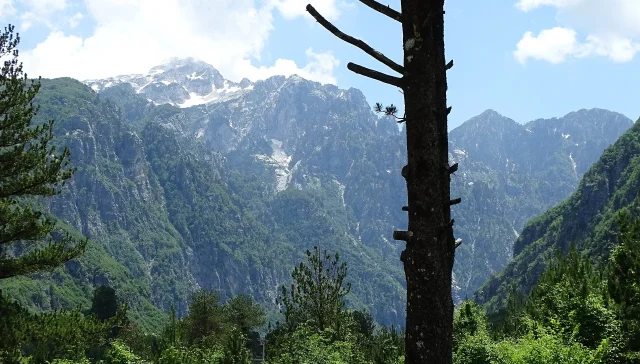
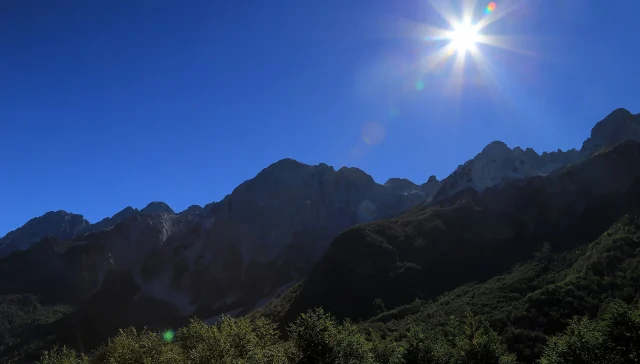
Head north to Shkoder, the cultural capital of northern Albania. Rozafa Castle, perched above the confluence of three rivers, carries the haunting legend of a woman walled alive in its foundations. The Marubi National Photography Museum holds one of the oldest photographic collections in the Balkans, documenting Albanian life from the 1850s. From Shkoder, you have a choice: drive into the Albanian Alps to Theth for mountain hiking, or take the spectacular Komani Lake ferry through fjord-like gorges to Valbona Valley. Both are extraordinary.
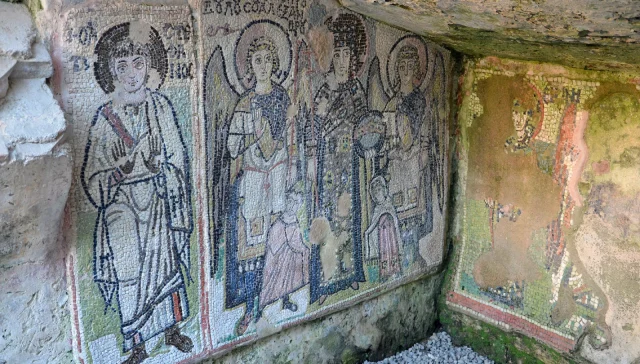
Return south along the Adriatic coast to Durres, one of Albania’s oldest cities. The 2nd-century Roman amphitheatre, the largest in the Balkans, contains a Byzantine chapel with rare wall mosaics. The Volga seaside promenade is perfect for an evening stroll before dinner at a seafood restaurant.
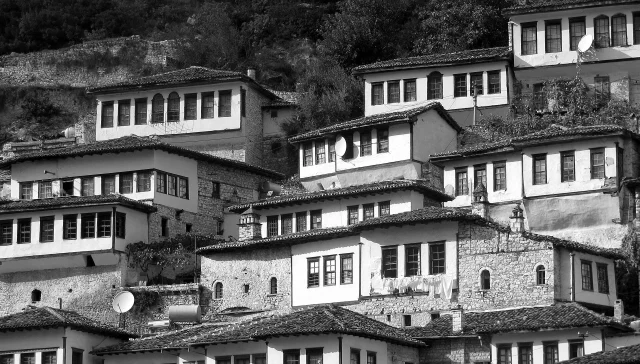
Continue to Berat, the “City of a Thousand Windows.” The white Ottoman houses of Mangalem quarter seem to climb on top of each other up the hillside, creating the optical illusion that gives the city its nickname. The castle quarter, still inhabited, houses the Onufri Museum of icons in a Byzantine church.
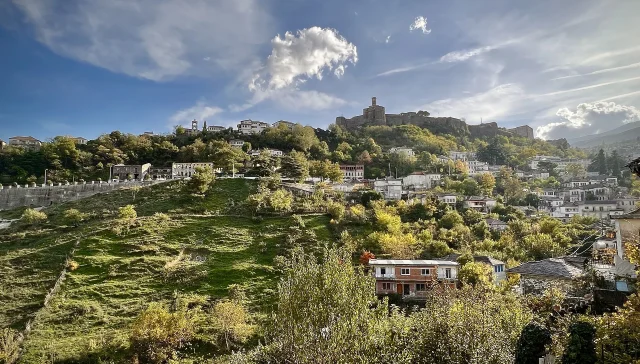
Drive south to Gjirokaster, Berat’s UNESCO sister city. While Berat is white, Gjirokaster is grey stone. The massive castle, the cobblestone bazaar, and the traditional tower houses make this city uniquely atmospheric. Spend a night in a converted Ottoman house for the full experience.
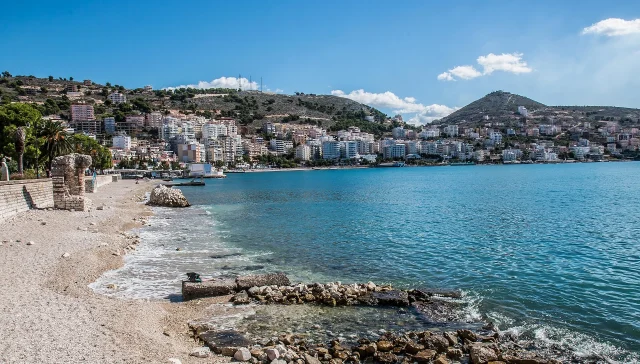
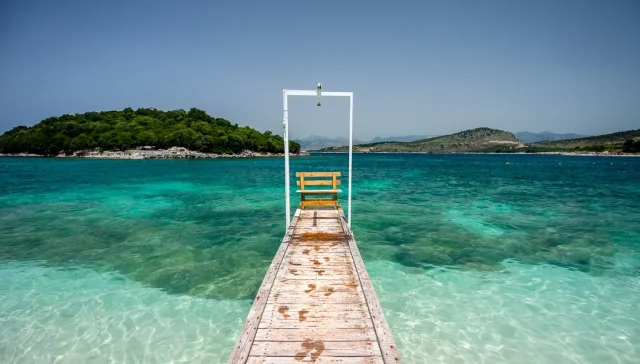
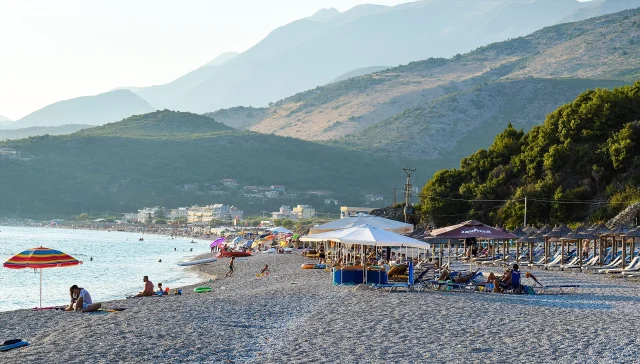
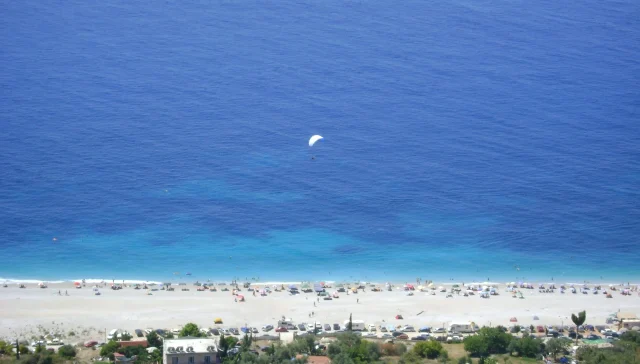
Continue to Saranda on the Ionian coast. The Blue Eye spring, Butrint National Park, and the Ksamil Islands are essential stops. The coastal drive north along the Riviera through Himare, Dhermi, and the Llogara Pass is the scenic highlight of the trip. Apollonia Archaeological Park and Ardenica Monastery provide a final dose of history before returning to Tirana. This two-week circuit covers approximately 1,100 kilometers and delivers the complete Albania experience.
Destinations on 2-Week Albania Itinerary: The Ultimate 14-Day Guide
From historic landmarks to stunning natural landscapes, 2-Week Albania Itinerary: The Ultimate 14-Day Guide packs an incredible mix of experiences into one unforgettable destination. Dive into our handpicked selection below to discover the top-rated attractions, local spots, and must-add activities for your upcoming itinerary.
Day-by-Day Plan
Days 1-2: Tirana — Explore the capital: Skanderbeg Square, BunkArt museums, Dajti Mountain cable car, Blloku district, New Bazaar. Day trip to Kruje for Skanderbeg’s castle and the 400-year-old bazaar.
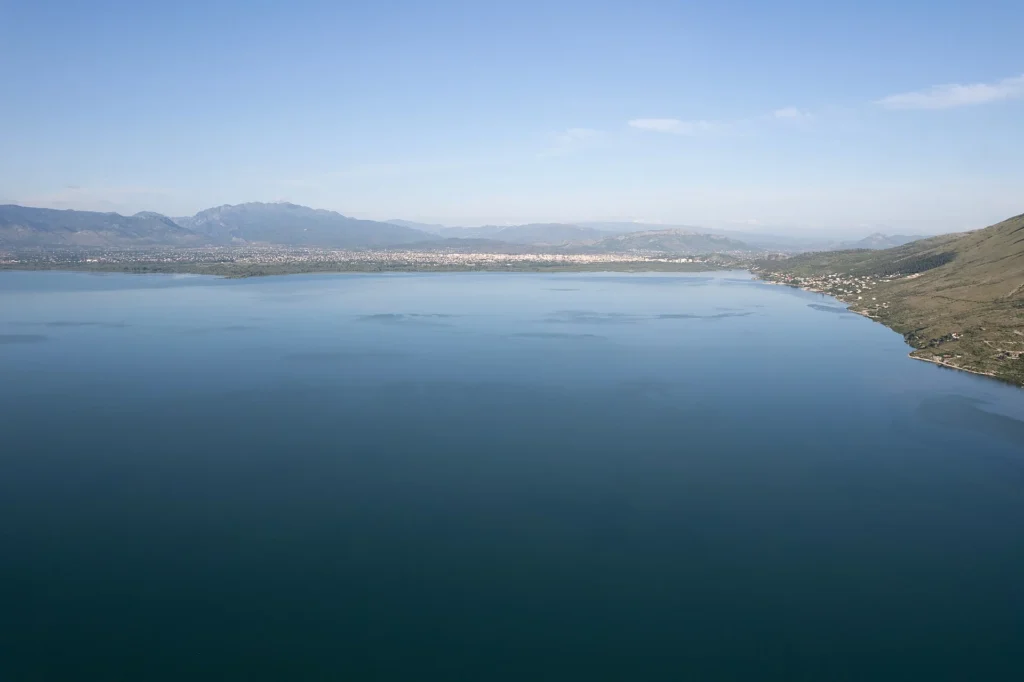
Day 3: Shkoder — Drive 1.5 hours north. Visit Rozafa Castle with its haunting legend, the Marubi Photography Museum, and the pedestrian boulevard. Sunset by Lake Shkoder.
Day 4: Theth or Komani Lake — Choice: drive 3.5 hours to Theth for the Alpine valley and Grunas Waterfall, or take the Komani Lake ferry through dramatic gorges (seasonal).
Day 5: Shkoder to Durres — Drive south via Lezhe (Skanderbeg Memorial). Afternoon at Durres: Roman amphitheatre and Volga promenade.
Day 6: Durres to Berat — 1.5-hour drive. Explore the City of a Thousand Windows, castle quarter, and Onufri Museum. Wine tasting at a local vineyard.
Day 7: Berat to Gjirokaster — Drive 2.5 hours through scenic valleys. Explore the stone city: castle, Old Bazaar, Zekate House.
Day 8: Gjirokaster to Saranda via Blue Eye — Stop at the Blue Eye spring. Afternoon in Saranda with Lekuresi Castle at sunset.
Day 9: Butrint and Ksamil — Morning at Butrint National Park. Afternoon island-hopping at Ksamil. Fresh seafood dinner.
Day 10: Saranda to Himare — Coastal drive with Porto Palermo Castle stop. Beach afternoon and old town sunset.
Day 11: Himare to Dhermi — Short drive. Beach day and Dhermi Village exploration.
Day 12: Dhermi to Vlore via Llogara — Llogara Pass drive. Vlore’s Lungomare and Independence Museum.
Day 13: Apollonia and return to Tirana — Morning at Apollonia Archaeological Park. Drive back to Tirana.
Day 14: Departure — Last-minute shopping, coffee in Blloku, transfer to airport.
Route Map & Directions
Total distance: approximately 1,100 km over 14 days. The route forms a grand loop covering Albania’s highlights: capital, northern culture, Albanian Alps, Adriatic coast, UNESCO cities, Riviera beaches, and ancient sites. Roads are paved throughout. The most challenging sections are the Theth access road (steep but paved) and the Llogara Pass (winding but safe with guardrails). Allow 2-4 hours of driving per day with frequent stops.
How to Book
Book international flights to Tirana International Airport. Reserve your rental car online at least 2 weeks before travel. For Theth or Valbona guesthouses, book 1-2 weeks ahead in summer as they fill quickly. Most other accommodation can be booked 2-3 days ahead except during August. For the Komani Lake ferry, your guesthouse in Shkoder or Valbona can arrange tickets.
Practical Tips
Best time: May-June and September offer the best balance of weather and crowds. July-August is peak season with higher prices. The Komani ferry and Theth access are seasonal (April-October).
Pacing: This is a full itinerary — build in one or two rest days. Consider skipping either the north (Shkoder/Theth) or south (Riviera) if you prefer a slower pace.
Budget: EUR 60-90 per day for mid-range travel. The north and mountains are cheaper than the Riviera in peak season.
Car: Essential. Book ahead in summer. An SUV provides peace of mind for mountain roads but is not required.