Albania’s cultural treasures span over 2,500 years of Mediterranean civilization, from Illyrian fortresses and Greek colonies to Roman cities, Byzantine churches, Ottoman bazaars, and communist-era bunkers. This 7-day cultural itinerary connects the country’s most significant historical sites in a logical route that also showcases Albania’s diverse landscapes.
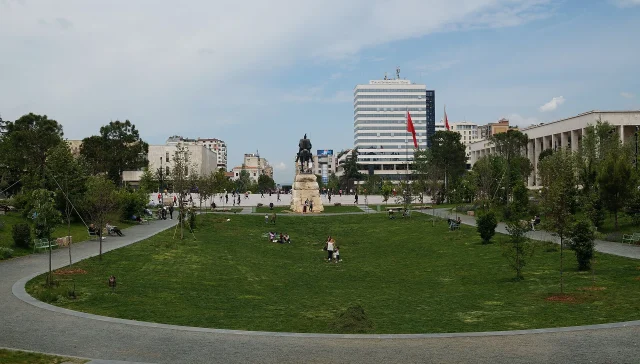
Start in Tirana, where Skanderbeg Square anchors a capital still visibly shedding its communist past. The National History Museum, with its socialist-realist mosaic facade, provides essential context. BunkArt 1 and 2, housed in massive Cold War nuclear shelters, offer powerful exhibitions on political persecution and the Sigurimi secret police. The Et’hem Bey Mosque, one of the few religious buildings to survive the communist era’s atheism campaign, features rare frescoes of landscapes and flora.
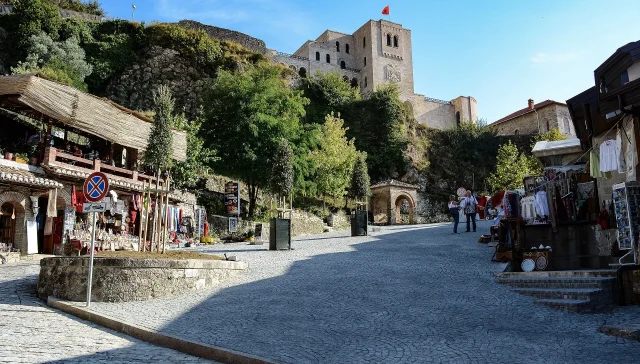
Day trip to Kruje, 30 minutes north. This hilltop fortress was the headquarters of Skanderbeg’s 25-year resistance against the Ottoman Empire in the 15th century. The Skanderbeg Museum within the castle walls tells this epic story, while the 400-year-old Old Bazaar below remains a living Ottoman market street where craftsmen still produce handmade carpets and filigree jewelry.
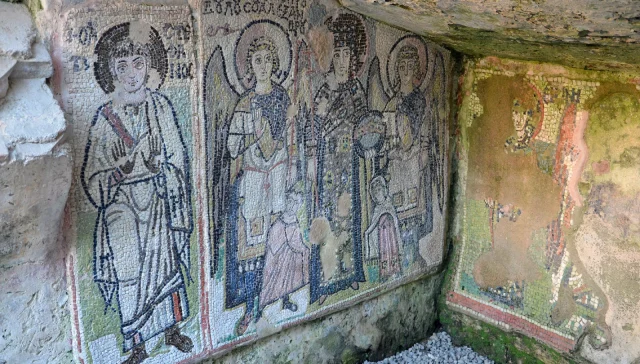
Durres, 30 minutes west of Tirana, was founded as Epidamnos in 627 BC. The 2nd-century Roman amphitheatre, the largest in the Balkans with capacity for 20,000 spectators, contains a small Byzantine chapel with rare wall mosaics. The Venetian Tower, built in the 15th century, and the Archaeological Museum facing the seafront round out Albania’s oldest port city.
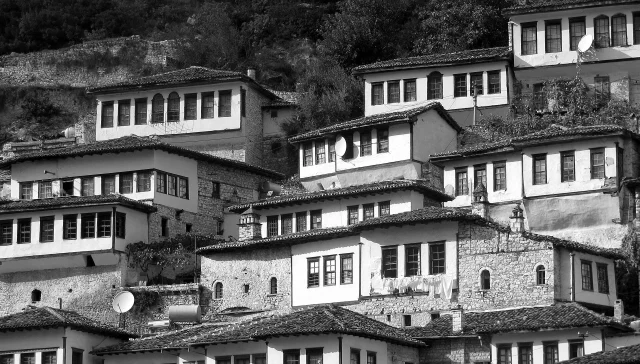
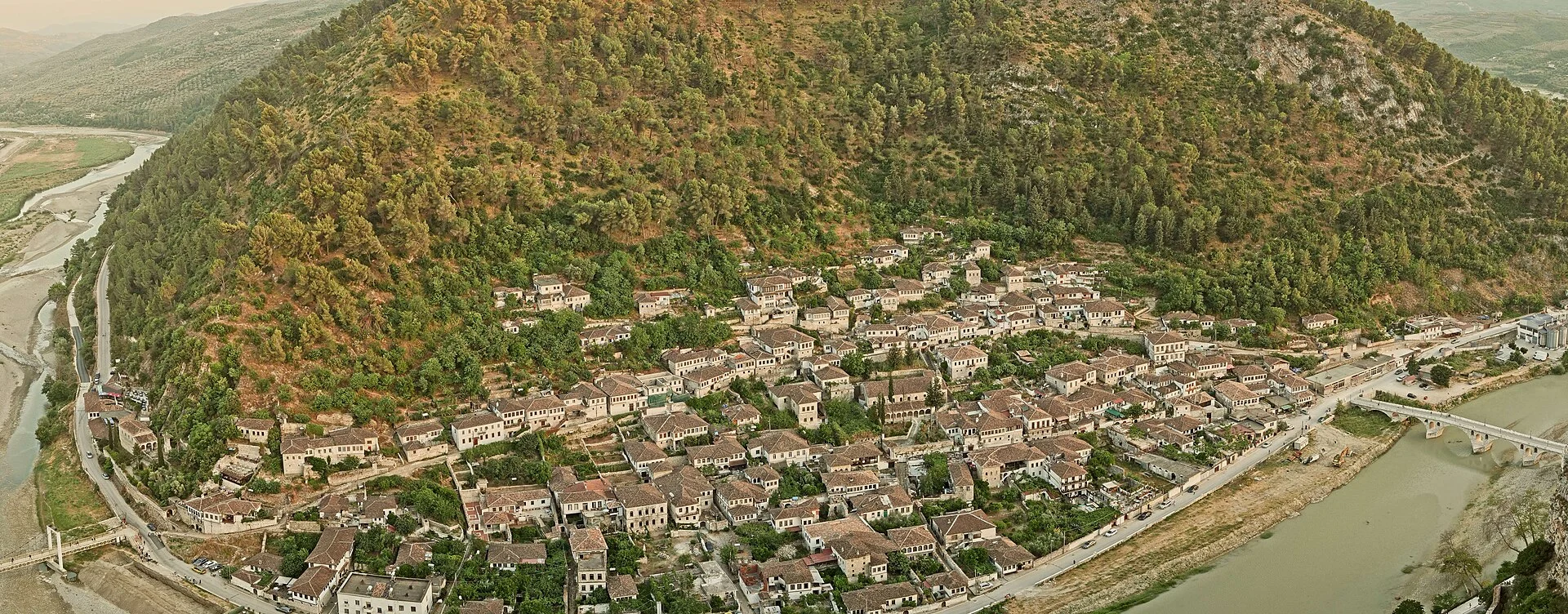
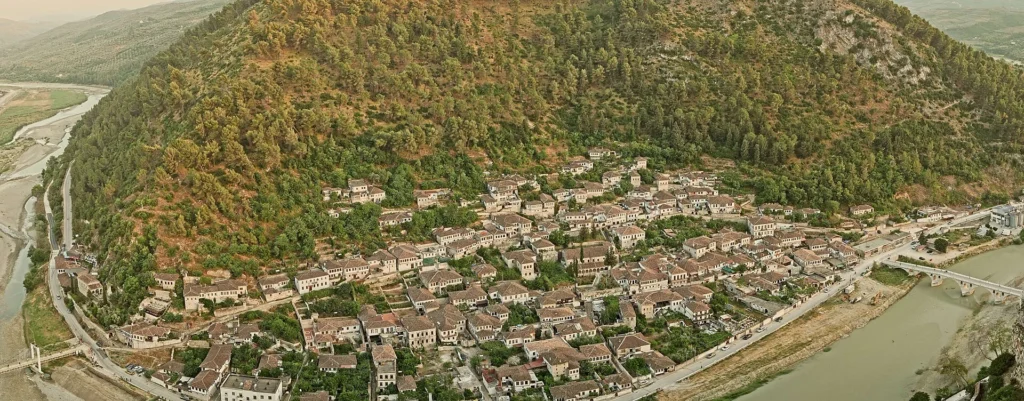
Drive 2.5 hours south to Berat, the UNESCO-listed “City of a Thousand Windows.” The white Ottoman houses of Mangalem quarter climb the steep Osum River valley, their distinctive many-windowed facades creating an unforgettable panorama. The castle quarter, still inhabited, contains Byzantine churches with frescoes by the 16th-century master Onufri. Across the river, the Gorica quarter offers a quieter perspective of the city.
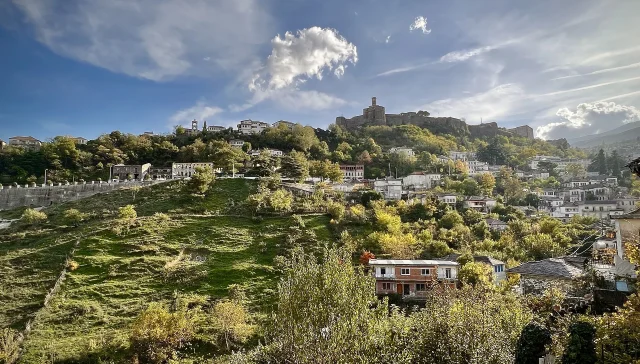
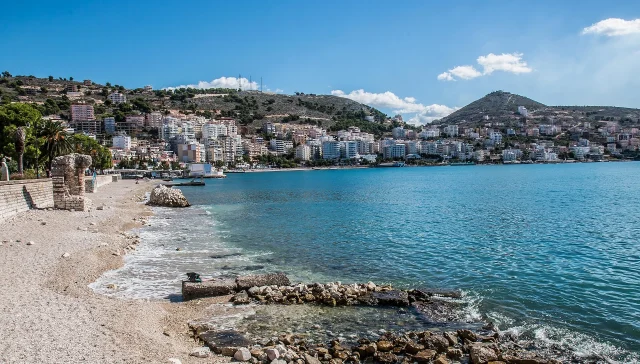
Continue to Gjirokaster, a UNESCO stone city dramatically built into the Drino Valley. The massive castle houses the National Armaments Museum. The Zekate House (1811) exemplifies the region’s distinctive tower-house architecture. Butrint National Park near Saranda reveals 2,500 years of continuous Mediterranean settlement in one archaeological site. Finally, Apollonia Archaeological Park near Fier, a Greek and Roman city on a panoramic hilltop, and Ardenica Monastery where Skanderbeg married in 1451 complete this journey through Albanian history.