A long weekend in Albania offers a surprisingly rich experience. Tirana, one of Europe’s most underrated capitals, combines fascinating history, vibrant cafe culture, and easy access to UNESCO heritage and mountain scenery. This 3-day itinerary is perfect for a short break that feels much longer.
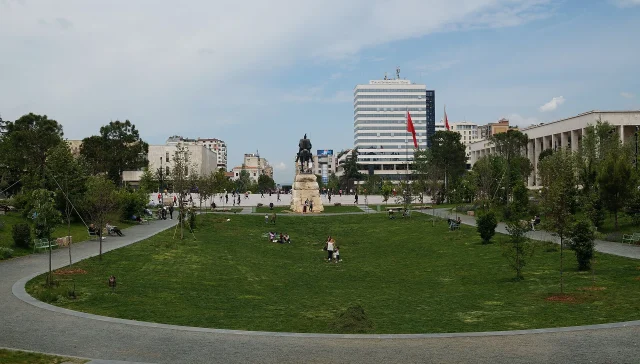
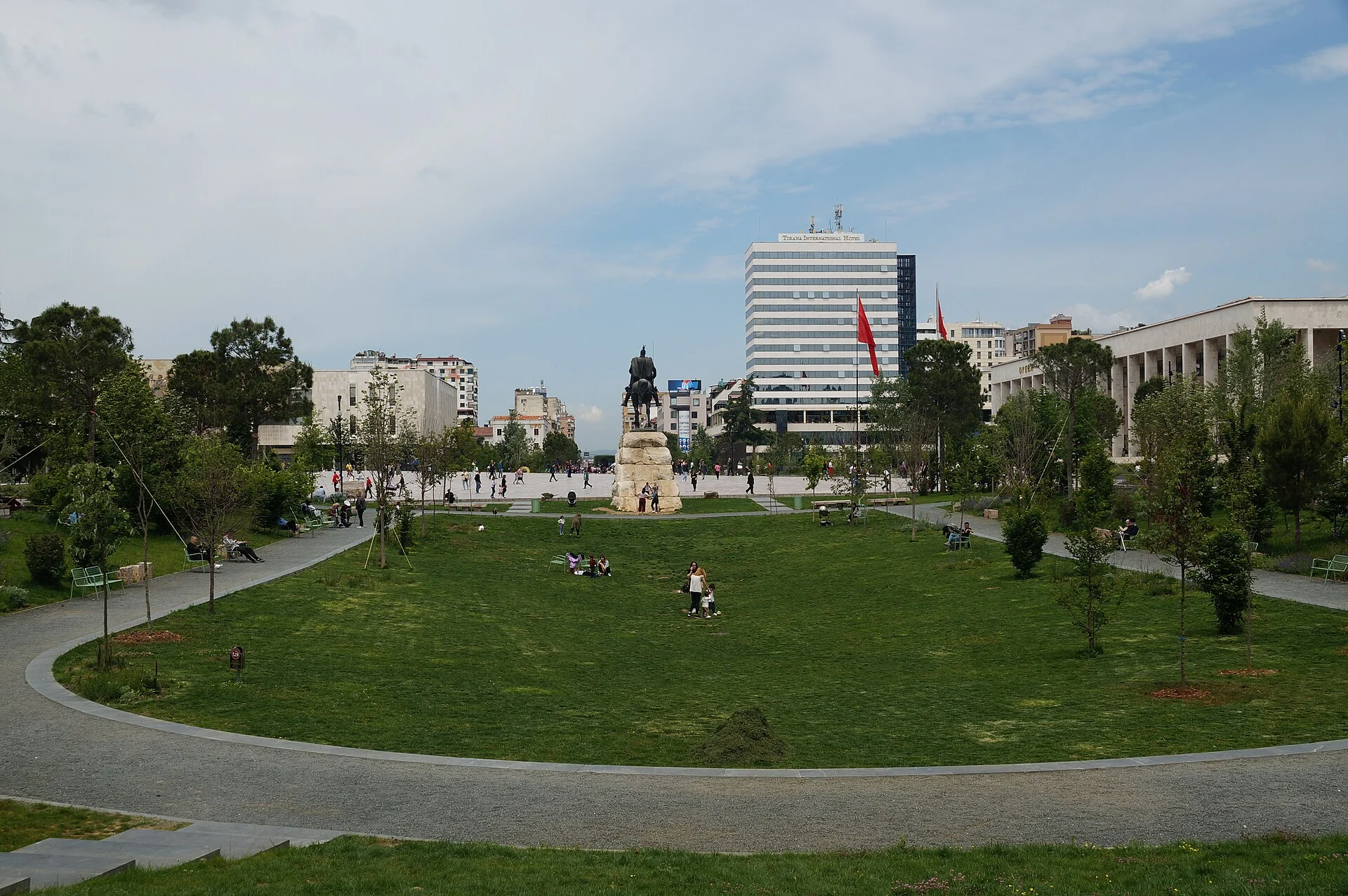
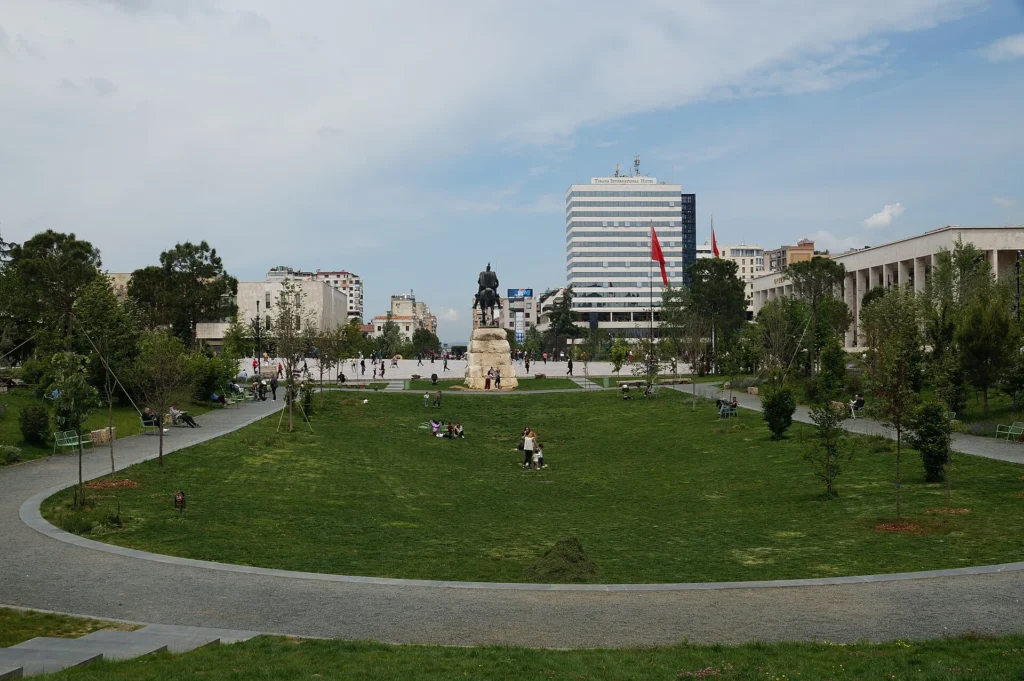
Day one immerses you in Tirana. Start at Skanderbeg Square, the vast central plaza dominated by the equestrian statue of the national hero. The National History Museum’s socialist-realist mosaic facade is a striking introduction to Albanian identity. The Et’hem Bey Mosque, built between 1794 and 1821 and one of the few religious buildings to survive the communist era’s atheism campaign, features rare interior frescoes depicting landscapes, waterfalls, and bridges.
BunkArt 2, a massive Cold War nuclear shelter in the city center, documents the Sigurimi secret police and political persecution during the communist era. For lunch, head to the New Bazaar (Pazari i Ri), a recently restored market quarter with fresh produce stalls, seafood restaurants, and traditional raki bars. The afternoon is best spent on the Dajti Ekspres cable car, which rises to 1,613 meters in 15 minutes. The summit offers panoramic views over Tirana, the Adriatic Sea, and on exceptionally clear days, the mountains of Italy. A revolving restaurant at the top serves drinks and traditional food.
Evenings in Tirana belong to Blloku. Once a restricted district accessible only to communist party members, it is now the city’s trendiest neighborhood. Hundreds of cafes, bars, and restaurants fill tree-lined streets with outdoor terraces that buzz until late.
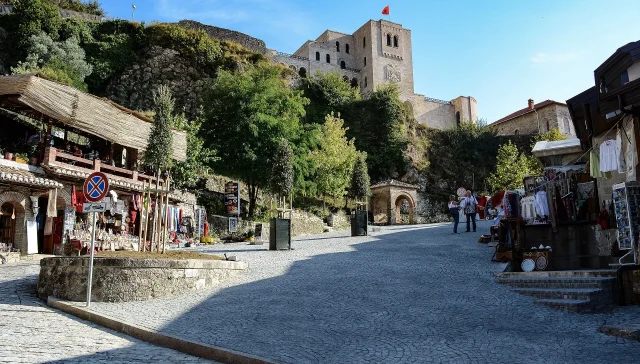
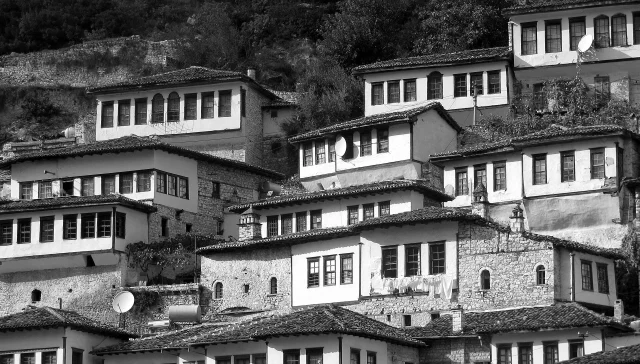
Day two offers a choice of day trips. Kruje, 30 minutes north, is the most popular: Skanderbeg’s hilltop fortress, the excellent museum within the castle walls, and a 400-year-old Ottoman bazaar with traditional craftsmen. Alternatively, Berat is a 2.5-hour drive each way for the full UNESCO City of a Thousand Windows experience. Day three is a relaxed morning at Tirana’s Grand Park and artificial lake before transfer to the airport. Albania in three days delivers far more than you would expect from a weekend break.