One week in Albania is the sweet spot for first-time visitors. This 7-day itinerary strikes the perfect balance between cultural exploration and beach relaxation, connecting Tirana, two UNESCO cities, and the Albanian Riviera in a manageable loop that never feels rushed.
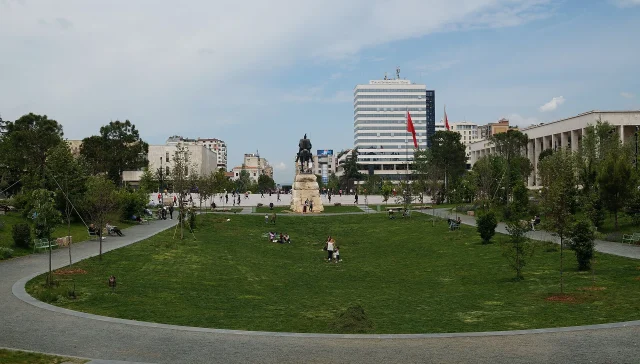
Start in Tirana with a full day exploring the capital. Skanderbeg Square, the BunkArt museums, and the Blloku district provide a comprehensive introduction. The Dajti Ekspres cable car offers panoramic views over the city and the Adriatic, while the New Bazaar is perfect for lunch among fresh produce stalls and traditional raki bars.
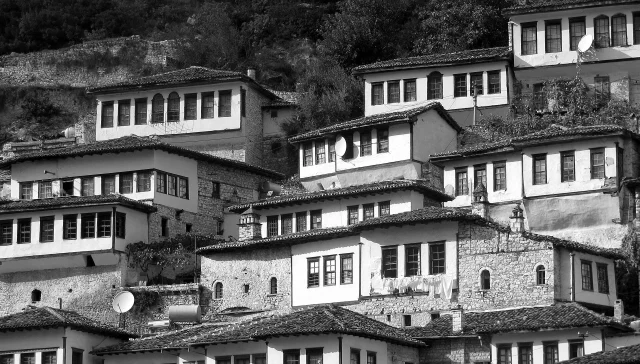
Day two takes you to Berat, the UNESCO-listed City of a Thousand Windows. The 2.5-hour drive passes through central Albania’s agricultural heartland before the distinctive white Ottoman houses appear on the Osum River valley hillsides. Spend the day exploring the castle quarter, the Onufri Museum, and the Mangalem neighborhood. Wine tasting at a local vineyard rounds out the day.
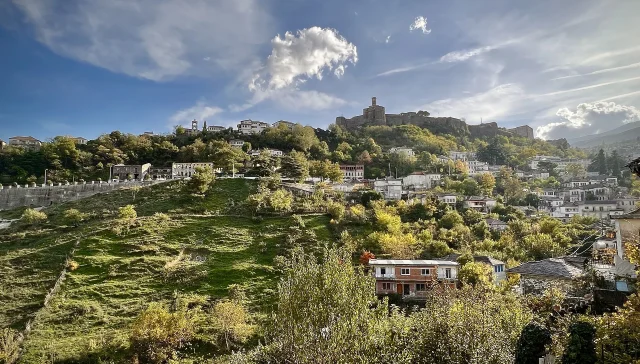
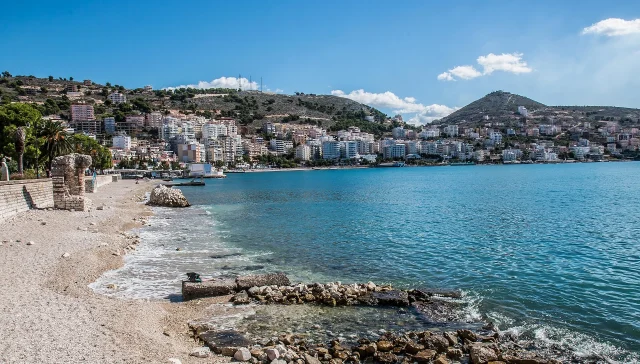
Continue south to Gjirokaster on day three. The stone-built UNESCO city offers a dramatic contrast to Berat’s white facades. The massive castle, the cobblestone Old Bazaar, and the Zekate House tower fill a morning and early afternoon. Continue to Saranda for the evening promenade and sunset at Lekuresi Castle.
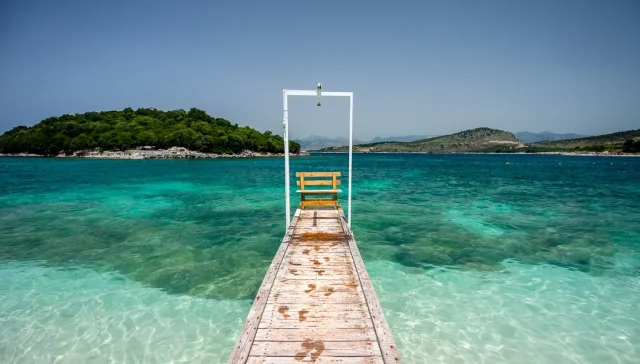
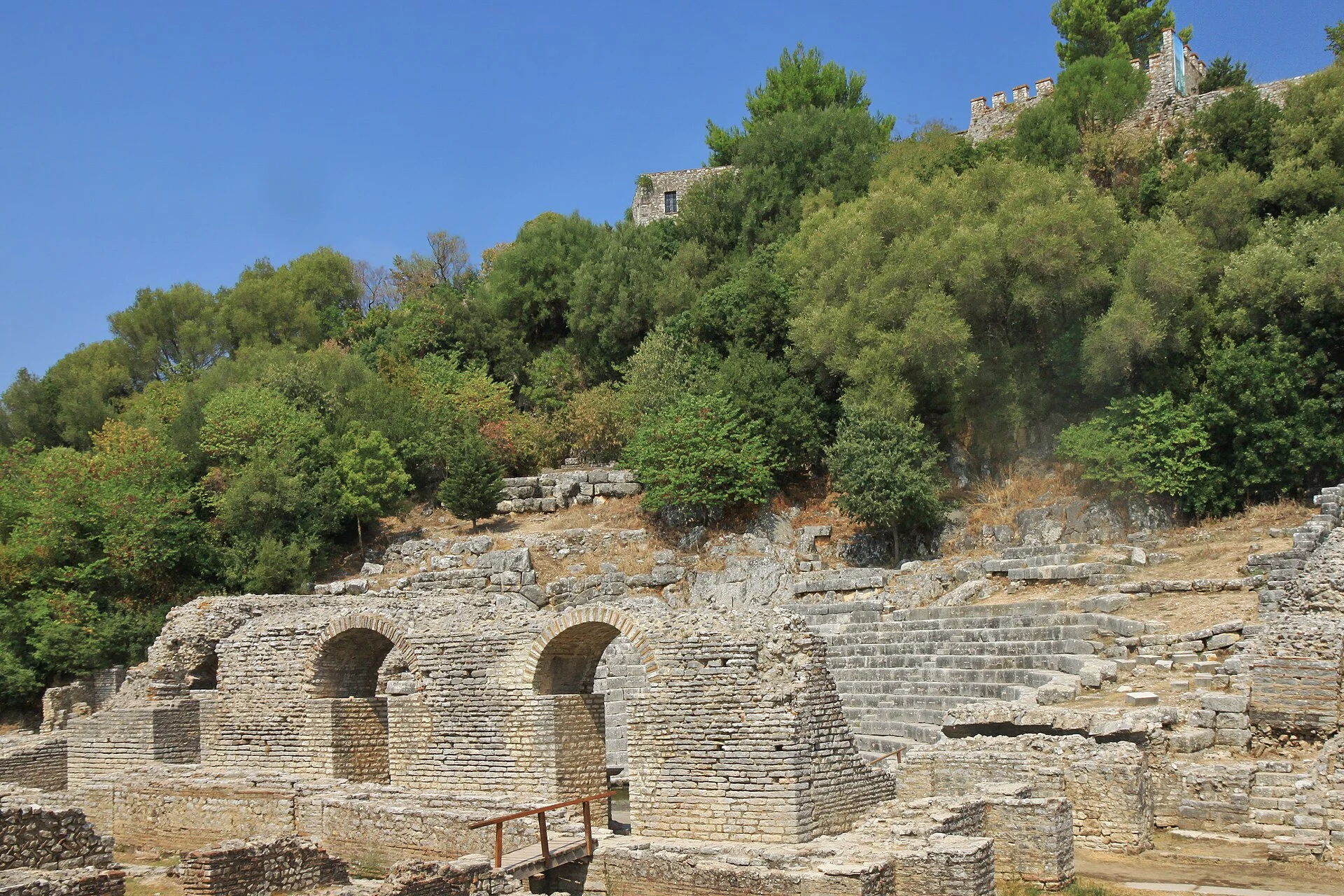
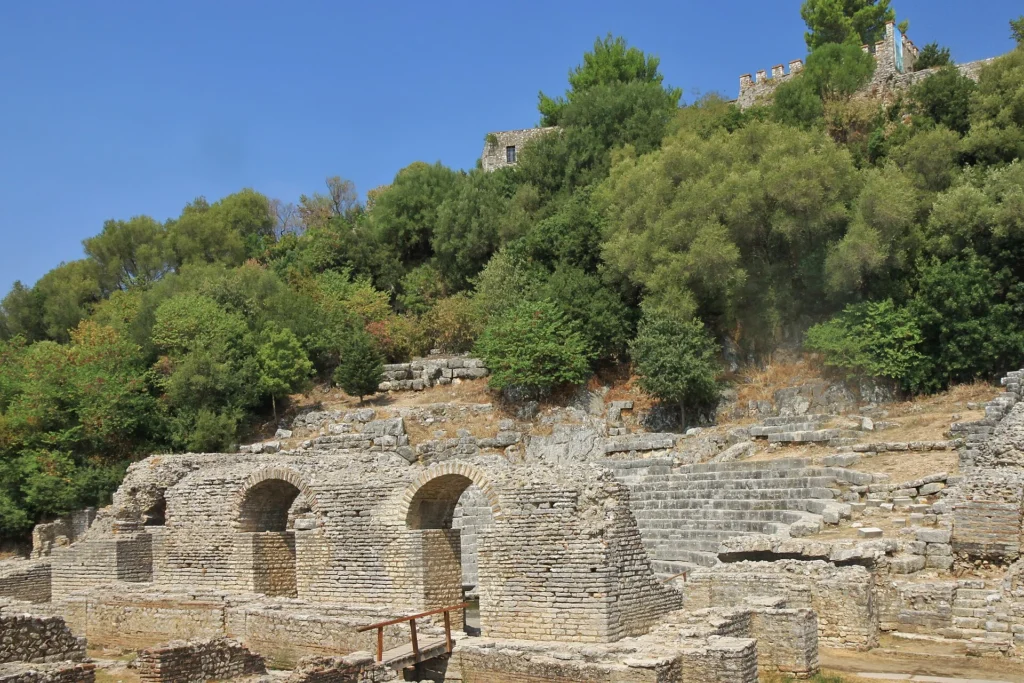
Day four is the coastal highlight: Butrint National Park in the morning, where 2,500 years of Mediterranean history unfold in a wetland setting, and the Ksamil Islands in the afternoon for swimming and island-hopping by pedal boat. Fresh seafood dinner by the water completes a perfect day.
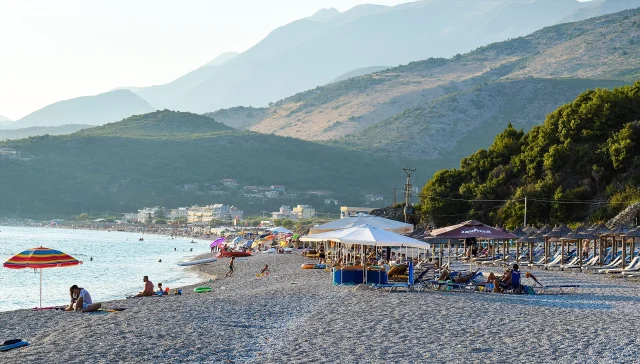
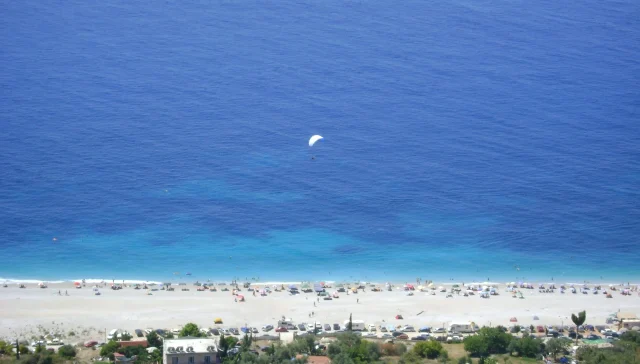
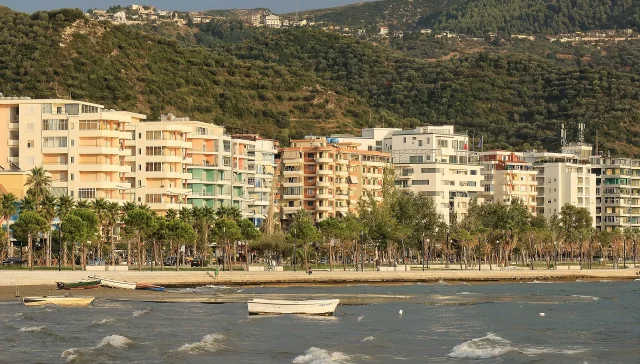
Day five drives north along the Riviera to Himare, with stops at Porto Palermo Castle and the beaches of Livadh. The Kastro old town at sunset is unforgettable. Day six continues through Dhermi and the spectacular Llogara Pass to Vlore. The final day takes you to Apollonia Archaeological Park before returning to Tirana. This 7-day loop covers approximately 600 kilometers and delivers Albania’s absolute highlights in a single, memorable week.