What Is an LED Lighting Retrofit?
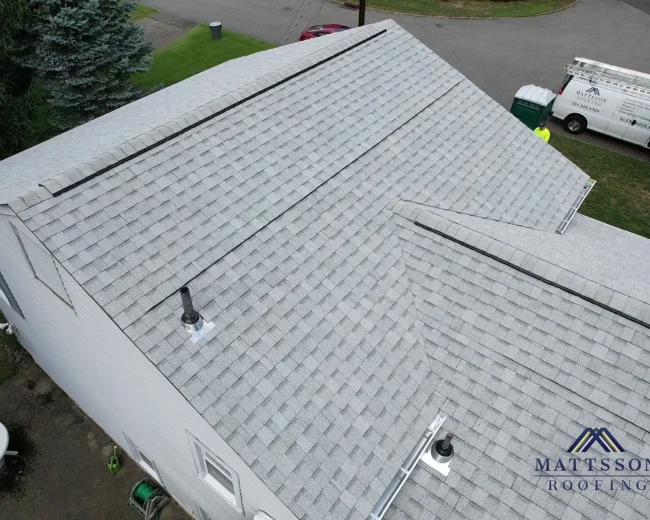
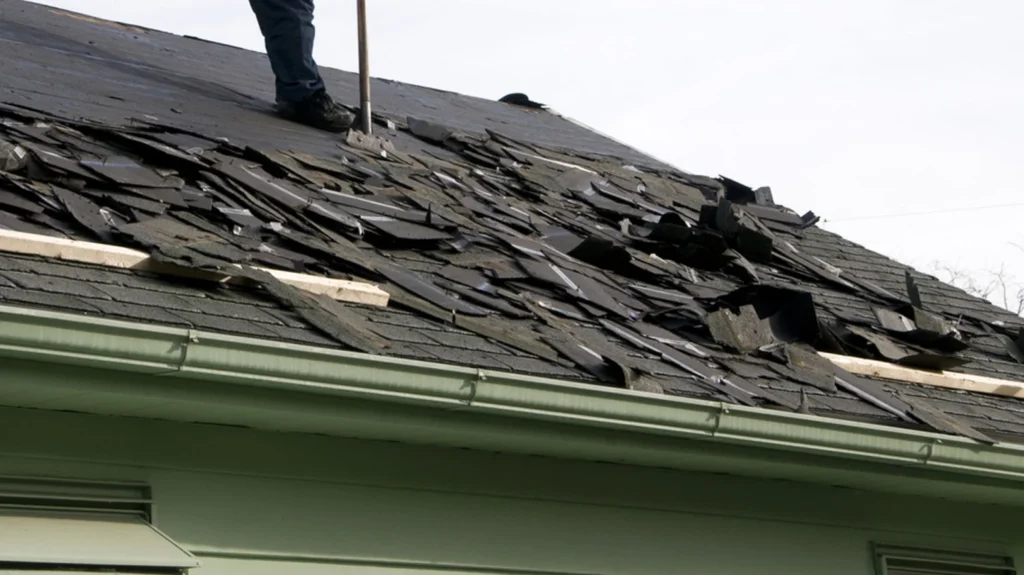
New Jersey storms can damage roofing fast—wind lift, missing shingles, punctures, and hidden water entry points that get worse after the weather clears. We respond quickly to stabilize the roof, prevent further intrusion, and recommend the right fix—repair when possible, replacement when it’s the smarter long-term solution.
Common Storm Damage Problems We Fix
We handle both obvious damage and the hidden issues that lead to leaks days later.
- Missing, torn, or lifted shingles after high wind
- Damaged flashing around chimneys, walls, and valleys
- Leaks from punctures caused by debris or branches
- Exposed underlayment or bare spots from shingle loss
- Loose ridge caps, vents, or pipe boots
- Gutter/downspout damage contributing to overflow and water backup
- Low-slope roof seam stress or membrane lifting (where applicable)
Signs Your Roof Has Storm Damage
Some warning signs show up immediately; others appear inside your home.
Common signs include:
- Shingles scattered in the yard or visible bare patches on the roof
- New ceiling stains, damp attic insulation, or musty smells
- Dripping near chimneys, skylights, or exterior walls
- Flashing pulled up or metal pieces bent/out of place
- Granule piles at downspouts after a storm
- Sagging areas, soft spots, or “spongy” decking feel (treat as urgent)
Our Storm Damage Response Process
Storm response must be fast, methodical, and documented.
- Quick intake: Storm timing, what you’re seeing, and any active leaking
- Safety check: Identify hazards (loose materials, unstable areas, water intrusion)
- Roof inspection: Assess shingle loss, flashing failures, punctures, and weak points
- Leak stabilization: Temporary protection if needed to stop further water entry
- Scope + options: Repair plan vs. replacement plan with clear reasoning
- Documentation: Photos and notes you can keep for your records (and insurance if applicable)
- Final verification: Confirm the roof is sealed and performance-ready
What We Inspect After a Storm
We focus on the failure points where water typically enters.
Typical checks include:
- Shingle fields, ridges, hips, and edge lines
- Valleys and step flashing along walls
- Chimney flashing and counterflashing condition
- Roof penetrations (vents, pipe boots, skylights)
- Underlayment exposure and decking indicators
- Drainage performance (gutters/downspouts) and overflow signs
- Low-slope seams and transitions (if present)
Emergency Storm Damage (Call Right Away)
Some storm damage can’t wait—especially when water is entering the home.
Call +355686558856 immediately for:
- Active leaking into living areas or attic
- Large sections of missing roofing material
- Tree/debris impact damage
- Loose materials flapping in wind
- Sudden sagging or structural concerns
- Water entering around chimneys, skylights, or walls
Repair vs. Replacement After Storm Damage
Not every storm requires a full replacement—but some damage is too widespread to patch reliably.
- Repair is often enough when damage is localized and the roof system is otherwise healthy.
- Replacement is often smarter when there’s widespread shingle loss, repeated leaks, compromised decking, or an older roof that won’t hold repairs.
What Affects the Cost of Storm Damage Roofing
Storm-related pricing depends on severity, access, and how much of the roof system is affected.
Common cost factors:
- Extent of missing/lifted shingles or membrane damage
- Flashing failures and number of penetrations affected
- Decking repairs from water intrusion
- Roof height, pitch, and complexity
- Material match availability (for repairs)
- Timing and urgency of stabilization work
Request Storm Damage Roofing Service in New Jersey
If your roof was hit by wind, heavy rain, or debris, don’t wait for leaks to spread. We provide storm damage roofing acrossNew Jersey, with fast response and clear next steps. Call +355686558856 to schedule an inspection or urgent service.